
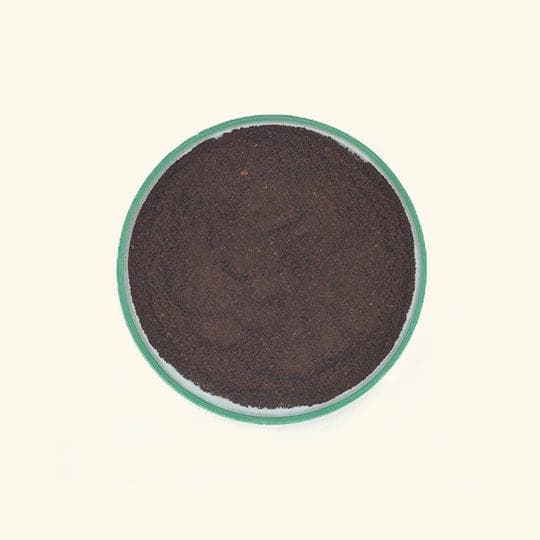
If you are standing in front of two coffee bags wondering whether to pick Arabica or Robusta, here is the short answer: Arabica gives you a smoother, more aromatic cup with gentler acidity, while Robusta gives you a stronger, heavier-bodied cup with a noticeable caffeine kick. Neither is "better" in any absolute sense — they suit different moods, different brewing methods and different times of day. Coorg in Karnataka happens to be one of the few places in India where both varieties are grown side by side, which makes it a good place to actually taste the difference.
Where the difference comes from
Arabica and Robusta are two different coffee species, not just two roast styles. Arabica plants are fussier — they grow best at higher, cooler elevations and give a lower yield, which is part of why Arabica beans are usually priced higher. Robusta plants are hardier, grow at lower elevations, and produce more cherries per plant, which is reflected in a bolder, more rustic cup.
This difference in the plant shows up directly in the cup. Arabica beans tend to be more oval and contain more sugars and aromatic oils, while Robusta beans are rounder and contain more caffeine and chlorogenic acids — the compounds behind that extra bitterness and body.
How they taste, side by side
Arabica is the one most people reach for when they want a cup to sip slowly. It tends to taste smoother and a little sweeter, often with notes of chocolate or caramel and a brighter, winey acidity. Robusta is the one that wakes a room up. It tastes stronger and more bitter, with a heavier, almost syrupy body and a slightly nutty or woody edge.
- Arabica: smoother, sweeter, more acidic, lighter body, more delicate aroma
- Robusta: stronger, more bitter, heavier body, nuttier and more intense
- Arabica: roughly 1–1.5% caffeine by weight
- Robusta: roughly 2–2.7% caffeine by weight — close to double
- Arabica: preferred for filter, pour-over, French press and slow sipping
- Robusta: preferred for strong decoctions, instant-style brews and a stronger kick
The caffeine question
If your main reason for choosing a coffee is the jolt it gives you, Robusta wins by a wide margin — it genuinely has close to twice the caffeine of Arabica, which is also why it tastes more bitter on its own. If you drink coffee slowly through the morning and care more about flavour than force, Arabica is usually the happier choice. Neither bean should be treated as a stimulant to dose by the cup; simply notice how your own body responds and adjust how much you brew.
Picking one for how you actually brew
Your brewing method matters as much as your taste. A French press or pour-over tends to flatter Arabica's aromatics and lets its sweetness come through without being muddied. South Indian filter kaapi, on the other hand, was built around a stronger, more full-bodied cup, which is why traditional filter coffee blends lean heavily on Robusta, sometimes cut with a smaller share of Arabica for aroma. Cold brew works well with either, but a straight Robusta cold brew will taste noticeably more intense and less sweet than an Arabica one.
If you cannot decide, the easiest way to find your preference is to brew both the same way, back to back, in the same cup size and at the same strength. The difference becomes obvious within the first sip, and from there it is just a matter of noting which one you keep reaching for.
Trying both without overthinking it
Nature Presents carries single-origin Coorg coffee as both 100% Arabica Roasted Coffee Beans and 100% Robusta Roasted Coffee Beans, medium-roasted and packed fresh to order, so you can taste the two varieties on their own rather than guessing from a blend. The Freshly Ground Coorg Coffee is available in both the smooth Arabica and the bold Robusta, ground and ready for your filter or press — a simple way to compare the two without needing a grinder at home.
- Brew both the same way — same grind, same water ratio, same time — before deciding
- Keep whole beans in an airtight container away from light and heat, and grind just before brewing where possible
- Start with a slightly coarser grind for French press, finer for filter or espresso-style brewing
- If you like strength and sweetness together, try a cup brewed mostly Robusta with a small share of Arabica
The bottom line
There is no universally "correct" answer between Arabica and Robusta — only the cup that matches what you want from your coffee that day. Reach for Arabica when you want something smooth and aromatic to enjoy slowly, and reach for Robusta when you want a stronger, heavier cup to get you going. Keeping both single-origin Coorg varieties on hand means you never have to choose just one.