
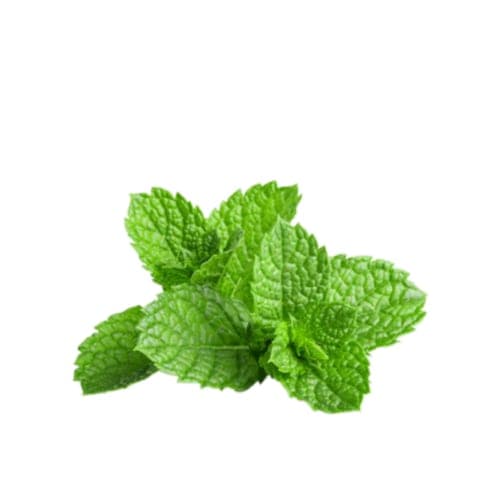
If you want a scent that wakes up a room in seconds, minty oils are the quickest route there. Cool, sharp and instantly recognisable, mint is what people reach for after a stuffy afternoon, a heavy meal, or a desk that has had enough of itself for the day. In the minty family at Nature Presents, that means two expressions of peppermint: Peppermint Essential Oil and the higher-menthol Peppermint (Arvensis) Essential Oil, both steam-distilled and both built around the same cooling, invigorating character that makes mint so easy to recognise with your eyes closed.
Why mint smells the way it does
The cool, almost tingly edge of a minty oil comes from its high menthol content. That is what gives peppermint its sharp, bracing top note and its reputation for cutting through stuffiness in seconds. It is a scent many people find clarifying rather than relaxing, which is why minty oils tend to show up on work desks, in gym bags and in kitchens rather than beside the bed.
Peppermint Essential Oil
This is the classic: high-menthol Peppermint Essential Oil (Mentha piperita), steam-distilled for an instant cooling hit. Many people find it useful for clearing the head, easing tension, or reviving tired muscles after a long day on your feet. It traditionally blends well with basil, which softens the sharp mint edge with a warm, herbaceous note.
Peppermint (Arvensis) Essential Oil
The Arvensis-type peppermint is steam-distilled for an even more intense, high-menthol cooling effect. It is the one to reach for when regular peppermint feels too gentle — people often turn to it for tired muscles, for a clear-breathing moment, or simply for a sharper mental lift. Like the classic peppermint, it blends well with basil.
Which one to pick
Both oils share the same minty family and the same steam-distilled peppermint base, so the choice comes down to intensity. Peppermint Essential Oil is the easier everyday choice for a desk, a small room or a first try. Peppermint (Arvensis) Essential Oil is the stronger, more concentrated cousin, better suited to a bigger or stuffier room, or for anyone who wants a sharper, more bracing hit of mint. Either works well diluted into a blend rather than used alone.
Diffuser blends to try
- Morning Focus: 4 drops Peppermint Essential Oil, 3 drops Lemon Essential Oil, 2 drops Rosemary Essential Oil, in 100 ml water
- Cool & Clear: 4 drops Peppermint (Arvensis) Essential Oil, 4 drops Eucalyptus Essential Oil, in 100 ml water
- Calm Alert: 3 drops Peppermint Essential Oil, 3 drops Lavender Essential Oil, 2 drops Bergamot Essential Oil, in 100 ml water
- Energise the Room: 3 drops Peppermint Essential Oil, 3 drops Sweet Orange Essential Oil, 2 drops Rosemary Essential Oil, in 100 ml water
Using mint oils topically and around the home
For any skin use, dilute to 1-2% — about 6 to 12 drops of essential oil per 30 ml of a carrier oil such as almond or jojoba — and always patch-test on your inner forearm and wait 24 hours before wider use. Never apply peppermint or any other essential oil undiluted ('neat') near the eyes, nose or broken skin. A drop or two diluted into a cool compress can feel pleasant on tired feet after a long day, and a few drops in an unscented cleaning spray add a sharp, fresh lift to a kitchen counter. Essential oils in the minty family are for aromatic and diluted topical use only; they are not meant to be ingested.
A note on caution
High-menthol mint oils are strong. Keep them away from infants and young children's faces, chests and bedrooms, and away from pets, especially cats, who are particularly sensitive to essential oils. If you are pregnant or breastfeeding, check with your doctor before regular use. Always store bottles well out of children's reach, and when in doubt, use less rather than more — a minty blend should feel fresh, not overwhelming.