
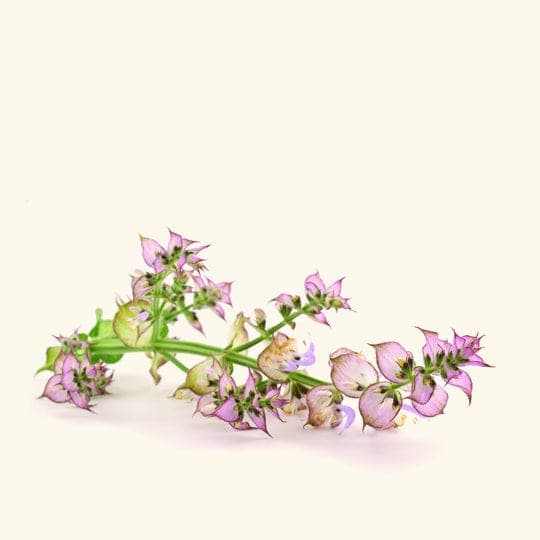
Herbal essential oils are the ones that smell like a kitchen garden after rain — green, sharp and purposeful rather than sweet or floral. If you want an oil that clears a stuffy room or cuts through a long afternoon, this family is where to start. They are steam-distilled from leaves rather than flowers or peel, which is part of why their aroma reads as crisp and grounded instead of soft.
What herbal oils smell like, and why
Most oils here share compounds like cineole and camphor that the nose reads as cooling and clarifying — why rosemary feels like it is waking you up, and eucalyptus like opening a window. Clary sage and holy basil soften that sharpness with a warmer, rounder note, which is why they suit calming blends rather than only energising ones. Nature Presents currently stocks five oils in this family: Rosemary, Tea Tree, Holy Basil (Tulsi), Eucalyptus and Clary Sage.
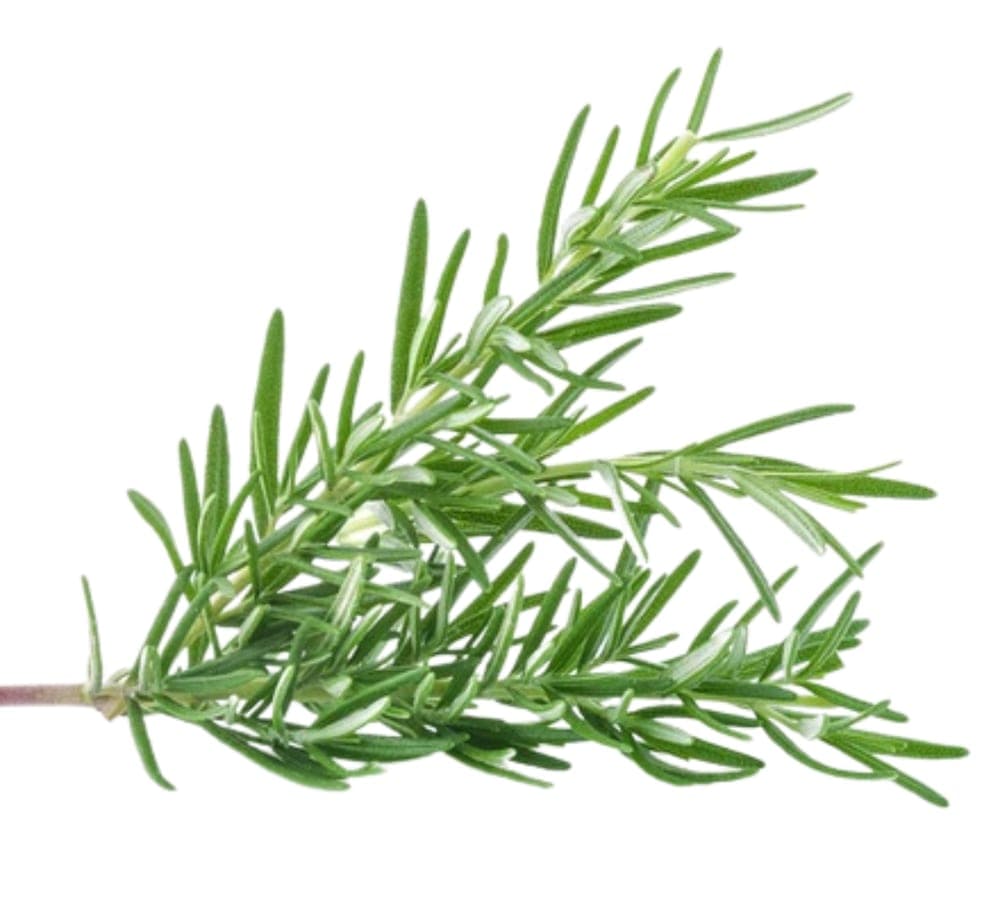
Rosemary Essential Oil
Steam-distilled from fresh rosemary leaf, this oil is rich in cineole and camphor, giving it a bracing, herbaceous aroma that many people associate with mental clarity and focus. It is also the oil most reached for in hair care routines. Rosemary blends well with Lavender, Jasmine, Wild Orange and Lemon, so it works in an energising morning blend or a more rounded, complex one.
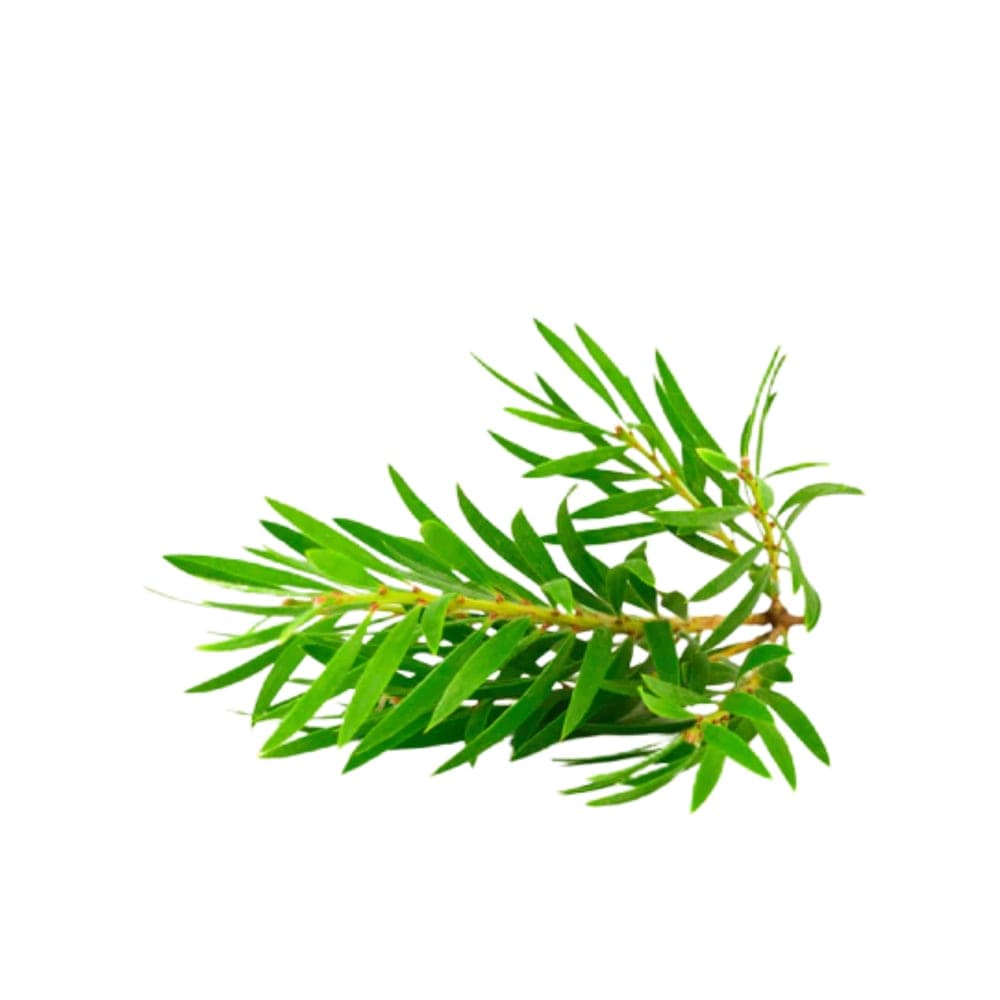
Tea Tree Essential Oil
Tea Tree, steam-distilled from Melaleuca alternifolia, has a crisp, camphoraceous aroma and a long-standing reputation as a household staple, sometimes called the medicine cabinet in a bottle. Its aroma is associated with purifying and freshening a space rather than masking odours with sweetness. It blends with Ylang Ylang, Peppermint, Oregano and Thyme, and makes a good anchor note for a gym bag, mudroom or monsoon-damp cupboard.
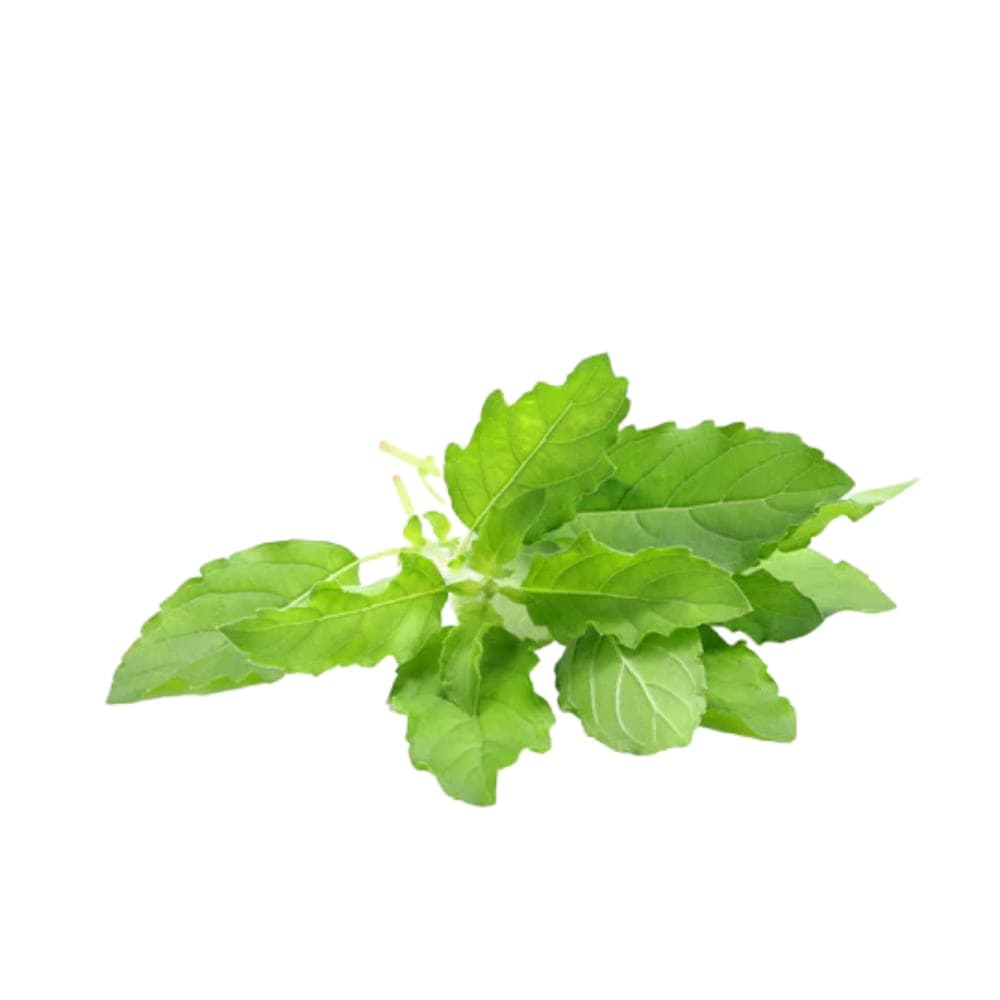
Holy Basil (Tulsi) Essential Oil
Tulsi is revered in Indian households, and this steam-distilled oil captures that familiar clarifying, herbaceous aroma in its purest form. Many people diffuse it during a morning routine, in the same spirit as burning tulsi leaves. It blends naturally with Lemon, Rosemary and Bergamot, and makes a good base for a blend that feels distinctly Indian.
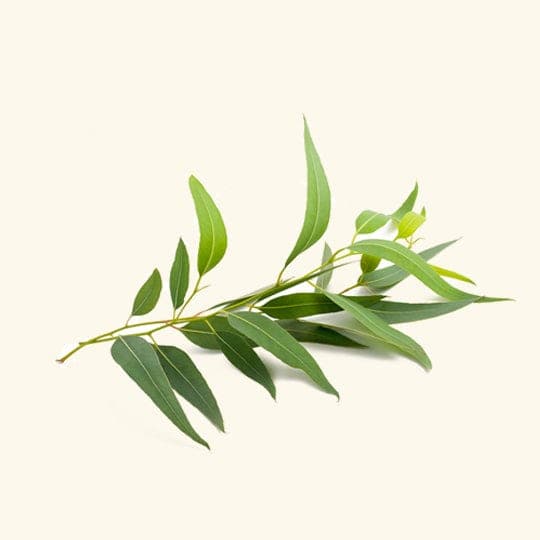
Eucalyptus Essential Oil
Distilled from Eucalyptus globulus, this oil has a bright, camphoraceous aroma that most people recognise instantly. Its aroma is associated with clearing the head and freshening stale air, which makes it a favourite for bathrooms and closed-in corners. Eucalyptus blends with Thyme, Cedarwood and Lavender, softening its sharp top note with something woodier or more floral.
Clary Sage Essential Oil
Clary Sage is the gentlest member of this family — warm and herbaceous rather than sharp, with none of the cooling bite of rosemary or eucalyptus. Many people reach for it in the evening, as part of a wind-down routine aimed at balance rather than alertness. It pairs with Lemon, which lifts its deep, musky base note without overpowering it.
Diffuser blends to try
- Morning focus: 4 drops Rosemary + 3 drops Lemon Essential Oil + 2 drops Holy Basil, in 100 ml water
- Clear the air: 3 drops Eucalyptus + 3 drops Tea Tree + 2 drops Lavender Essential Oil, in 100 ml water
- Tulsi evening calm: 4 drops Holy Basil + 3 drops Bergamot Essential Oil, in 100 ml water
- Quiet wind-down: 4 drops Clary Sage + 3 drops Lemon, in 100 ml water
Start on the lower end of these drop counts if you are new to a particular oil, and adjust to taste — a herbal blend should feel bracing, not overwhelming, in a closed room.
Dilution and safety
Herbal essential oils are concentrated plant extracts, meant for aromatic use in a diffuser or diluted topical use, never for ingestion. For skin use, keep dilution to about 1-2%, roughly 6-12 drops of essential oil per 30 ml of a carrier oil such as almond or jojoba. Always patch-test a small area of skin and wait 24 hours before wider use, especially with Tea Tree and Eucalyptus, which can be strong for sensitive skin.
- Keep diffusers and bottles well out of reach of children and pets
- Avoid Clary Sage and Rosemary during pregnancy unless a qualified practitioner has advised otherwise
- Eucalyptus and Tea Tree are not suitable for direct use around infants or young children
- If you are on any medication or managing a health condition, check with a doctor before regular use
Used thoughtfully, this is a family of oils that earns its place in an Indian home — practical and a little no-nonsense, the way a good herb garden is.