
Floral essential oils are steam-distilled or extracted from flowers, and they're the category most people reach for when they want a room, or a blend, to smell soft and calming rather than sharp or energising. If you're weighing up lavender, ylang ylang or rose geranium, or wondering how to blend them, here is what each actually smells like, how they pair, and how to use them safely.
What floral oils smell like, and why
Flowers produce their scent to attract pollinators, and that same chemistry is what ends up in the bottle. Floral essential oils share a soft, slightly sweet, rounded quality, with fewer sharp top notes than citrus oils and less smoky depth than woody or resinous ones. Within the family there is real range: lavender is airy and herbaceous-floral, ylang ylang is lush and almost tropical, and rose geranium sits in between, rosy, green and a little sharp. That range is exactly why floral oils blend so well together, with one carrying the top note, another the heart, and a drop of something woody or citrus rounding off the base.
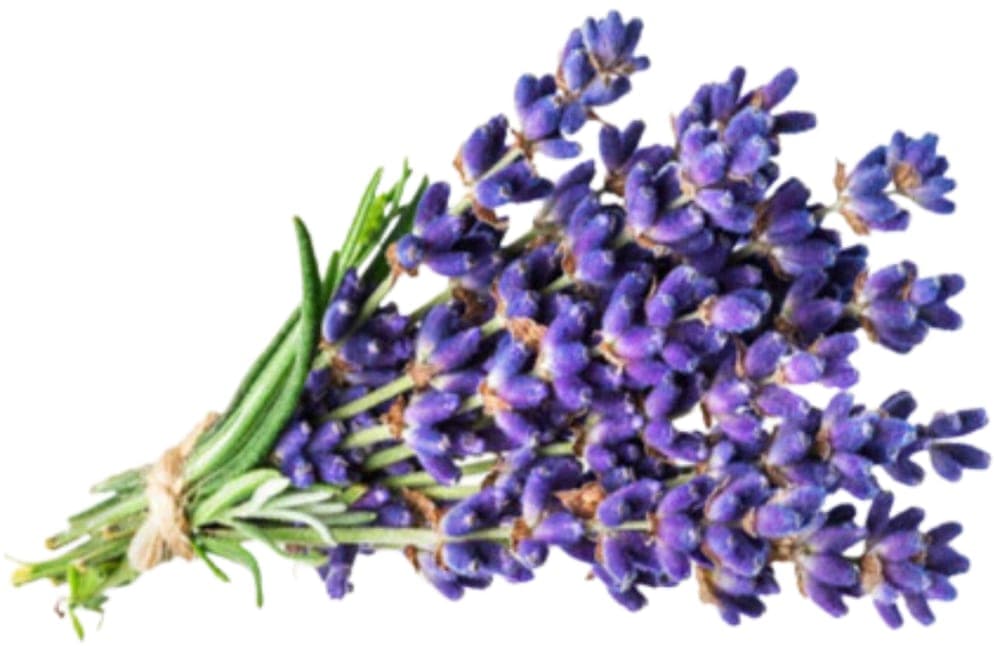
Lavender Essential Oil
Lavender (Lavandula angustifolia) is steam-distilled from the flower and is the oil most people think of first when they hear the word floral. The aroma is soft, slightly herbaceous and classically calming, which is why it is the standard choice for winding down in the evening, for a pillow spray, or for gentle skincare blends. It is also one of the easiest oils to layer into almost any floral or woody blend, which makes it a good first bottle to own.
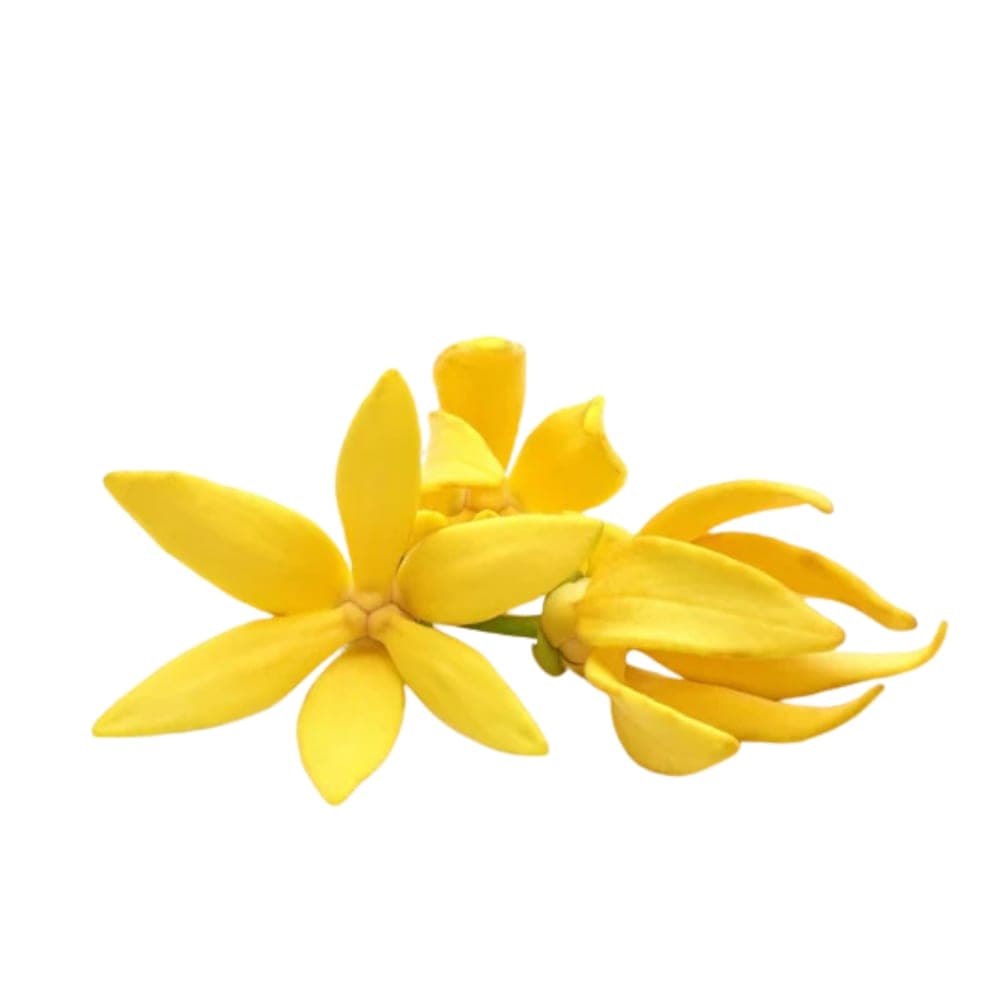
Ylang Ylang Essential Oil
Ylang Ylang (Cananga odorata) is steam-distilled from the flower and is noticeably more intense than lavender, a lush, exotic, sweet floral note that many people reach for to relax at the end of a long day. It blends well with Lavender, Bergamot, Sandalwood and Jasmine, so a little goes a long way in a diffuser blend, and it is also valued in haircare and skin blends for its conditioning character.
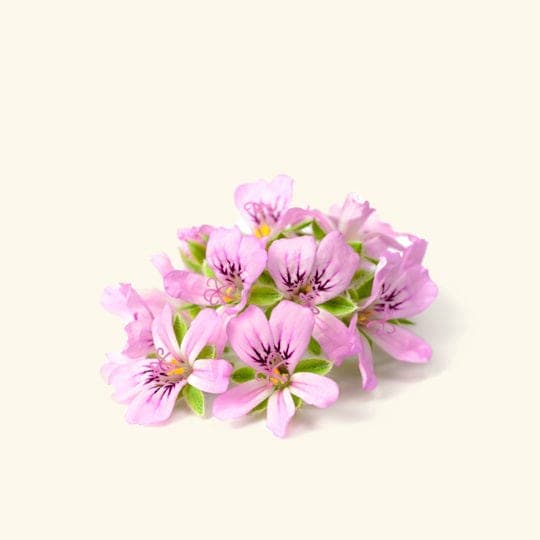
Rose Geranium Essential Oil
Rose Geranium (Pelargonium graveolens) is steam-distilled and sits at the greener, fresher end of the floral family, rosy and slightly minty rather than sweet. It blends naturally with Jojoba, Neroli, Patchouli, Bergamot and Rose, and is a favourite in skin blends aimed at a balanced, radiant complexion.
Diffuser blends to try (drops per 100 ml water)
- Evening Wind-Down: 5 drops Lavender + 3 drops Ylang Ylang
- Rose Garden: 4 drops Rose Geranium + 3 drops Lavender + 2 drops Bergamot
- Soft Floral Morning: 4 drops Rose Geranium + 4 drops Lavender
- Romantic Evening: 3 drops Ylang Ylang + 3 drops Bergamot + 2 drops Lavender
Start on the lower end of any recipe and adjust to taste. Floral oils, ylang ylang especially, are strong, and a little goes further than you would expect.
Dilution and safety
Essential oils are concentrated and are meant for aromatic use in a diffuser or diluted topical use, never for ingestion. For skin, keep to a 1 to 2 percent dilution, which works out to roughly 6 to 12 drops of essential oil per 30 ml of a carrier oil such as almond or jojoba. Always patch-test a small area of skin and wait 24 hours before wider use. If you are pregnant, using oils around young children, or living with pets, check with a doctor or vet first, and keep diffusers running in well-ventilated spaces rather than small, closed rooms.
Which floral oil to start with
If you only want one bottle, lavender is the most versatile starting point and the easiest to blend. If you already love a classic floral perfume, ylang ylang will feel the most indulgent, while rose geranium is the one to reach for in skincare-leaning blends. Between them, lavender, ylang ylang and rose geranium cover most of what the floral family is loved for: soft, romantic and genuinely calming.